

By Jordan Mamann, Sales Representative, RE/MAX Right Move, Brokerage · Last updated: November 2026
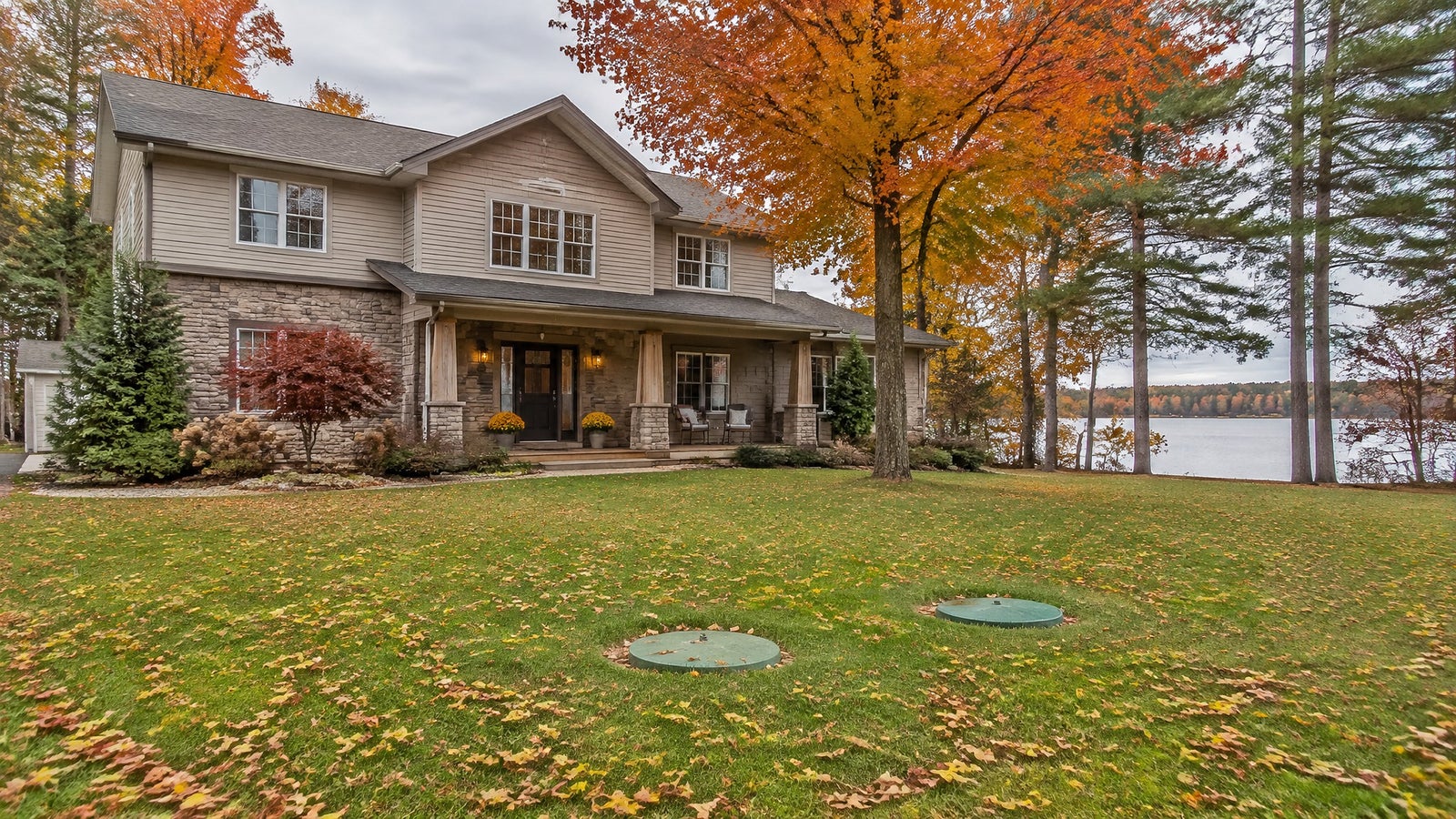
If you're buying a home outside the City of Orillia, there's a good chance it runs on a private well and a septic system. No city water, no city sewer. That means you, not the municipality, own the water quality and the wastewater. The good news is that it's easy to protect yourself if you know what to ask for. On every rural or waterfront purchase, I build four conditions into the offer: financing, a full home inspection, a lab-tested well water sample, and a septic inspection. I usually ask for about seven business days so each one gets done properly.
In Toronto, you turn on the tap and never think about where the water came from. Up here, that question is part of the purchase. This guide walks you through what to test, what it costs, what the townships require, and the mistakes I see GTA buyers make when they fall for a property before anyone has looked underground.
You can't tell from a listing photo. Some subdivisions in the townships have communal or municipal water, and some older homes near town still have their own well. Here's how to know for sure:
In Toronto, you turn on the tap and never think about where the water came from. Up here, that question is part of the purchase. This guide walks you through what to test, what it costs, what the townships require, and the mistakes I see GTA buyers make when they fall for a property before anyone has looked underground.
Which homes around Orillia are on a well and septic?
Most homes inside the City of Orillia are on municipal water and sewer. Step outside the city and private systems quickly become the norm. That includes most rural homes, farms, acreages and many waterfront properties in the three townships that surround Orillia: Oro-Medonte, Severn and Ramara.You can't tell from a listing photo. Some subdivisions in the townships have communal or municipal water, and some older homes near town still have their own well. Here's how to know for sure:
- Check the listing details. Water and sewage type are usually listed, but treat them as a starting point, not proof.
- Ask for records. Ask the seller for the septic permit, pump-out receipts, well record and any past water tests.
- Call the township building department. They keep septic permit files for most systems installed with a permit.
- Look up the well record. Ontario has a free online well records map. Many drilled wells show depth and completion date. A missing record doesn't mean there's no well. The Province warns that records can be missing or inaccurate.
- If the property is waterfront on Lake Simcoe or Lake Couchiching, read the septic section below carefully. Some of these properties fall inside a mandatory township inspection program. (Thinking waterfront? My Lake Couchiching Waterfront Buyer's Guide covers the lake itself.)
How do I test the well water before I buy?
Test it twice: once for bacteria (free) and once for chemistry (paid). The free test alone doesn't tell you the water is safe to drink.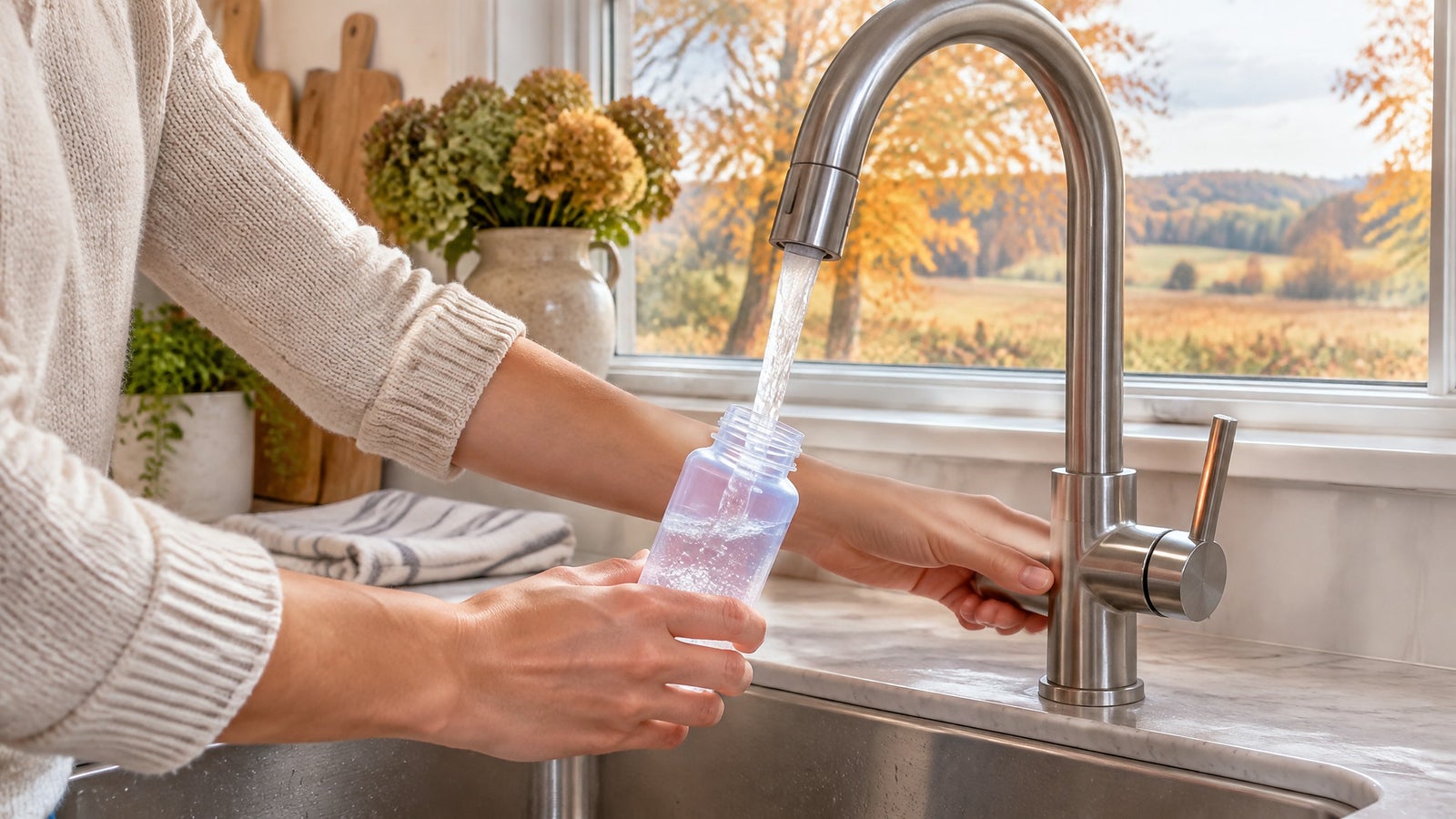
1. The free bacteria test. Public Health Ontario tests private well water for E. coli and total coliforms at no charge. Pick up a sample bottle through the Simcoe Muskoka District Health Unit's designated locations. Results usually come back in 2 to 4 business days. A few rules catch people out:
- The lab must receive the sample within 48 hours of collection. Keep it cool, not frozen.
- In Simcoe Muskoka, samples aren't accepted on Fridays. Plan your condition period around that.
- Any E. coli at all means the water is unsafe to drink, according to Ontario's guidance.
What should a septic inspection include?
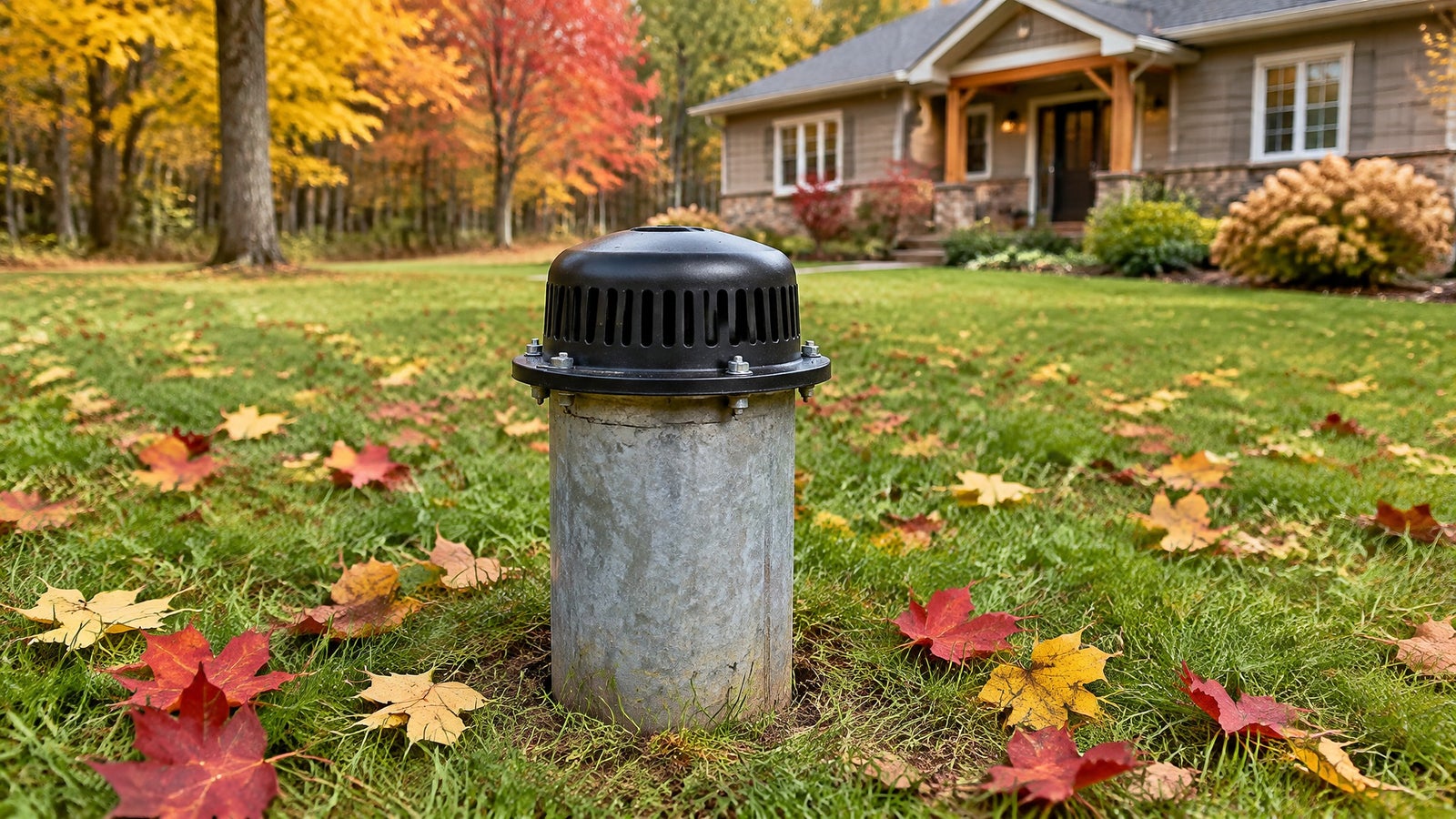
A proper septic inspection finds the tank and the bed, opens the tank and checks how the whole system is working. A general home inspector looking at the yard isn't enough. Hire a septic specialist, and ask for:- The tank located, opened and pumped (or the sludge and scum measured), with the baffles and effluent filter checked.
- The leaching bed checked for wet spots, ponding, odour or unusually lush grass, which are signs of trouble that Ramara's inspectors look for too.
- The system's age and permit. Ask the township for the permit file. Leaching beds don't last forever. Bracebridge's septic guide says to start saving for a replacement as a system approaches 20 years.
- Size against the house. A system designed for a two-bedroom cottage may not suit a home that's been expanded since.
- Clearances. Under the Ontario Building Code, a leaching bed must sit at least 15 m from a well with a watertight casing at least 6 m deep, and 30 m from any other well (setback table via Ramara Township).
Do the townships inspect septic systems near the lakes?
Yes, in specific areas. Under a program the Province added to the Ontario Building Code in 2011, systems in sensitive zones are inspected on a five-year cycle:City water vs. well and septic: what actually changes?
The biggest change is who's responsible. In the GTA, the city handles your water and sewer. On a well and septic, you do.How do I write well and septic conditions into an offer?
As conditions with enough time to finish them. On rural and waterfront deals, I usually ask for about seven business days and build in four conditions:- Financing. Your lender confirms the mortgage, including any appraisal.
- Home inspection. A full inspection of the house itself.
- Well water test. A sample to the lab before you firm up: the free bacteria test, plus a chemistry test if you want the full picture.
- Septic inspection. The system located, opened and assessed by a septic specialist.
What does it cost to own a well and septic?
Day to day, less than you'd think. The real cost is the occasional big repair, so budget for it from day one.A few habits make a septic last longer: no wipes, grease or harsh chemicals down the drain, no vehicles on the bed, no water softener backwash into the system, and eavestroughs pointed away from the bed. Bracebridge's septic guide has the full list.
What else should GTA buyers check on a rural property?
Three things that never come up in the city, and that I check on every rural showing:- How the home is heated. Many rural homes run on propane, oil, wood or a heat pump instead of natural gas. Ask for a year of bills, and check the age of the tank or furnace. Some insurers have rules on oil tanks and wood stoves, so call your insurance broker early.
- What internet reaches the address. If you work from home, this can make or break the move. Check providers by the exact address, not the area, and ask the seller what they actually use.
- Whether the road is maintained year-round. Some waterfront roads are seasonal or private. That affects winter access, school bus routes and, in some cases, financing and insurance. Confirm with the township.